Karate SVG Design 14: An Embroidery Maker’s Real Review
I downloaded Karate SVG T-Shirt Design 14 late on a Tuesday after a client asked me to create a set of embroidered tote bags for her dojo’s summer camp. As an embroidery product reviewer and small shop apparel decorator, I don’t just glance at a design — I picture it under the needle, on different fabrics, at different sizes, with thread choices that either make or break the final product. This design is a graphics file, not a stitch-ready machine embroidery file, so you’ll need to digitize it or hand it off to a digitizer. But the bones of this design are strong enough that I kept thinking about how many handmade items it could really lift.
Design Personality and First Impressions
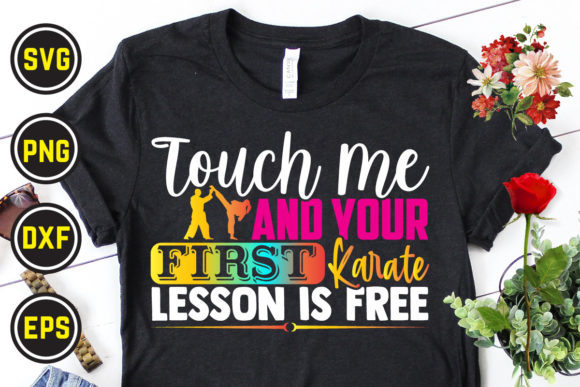
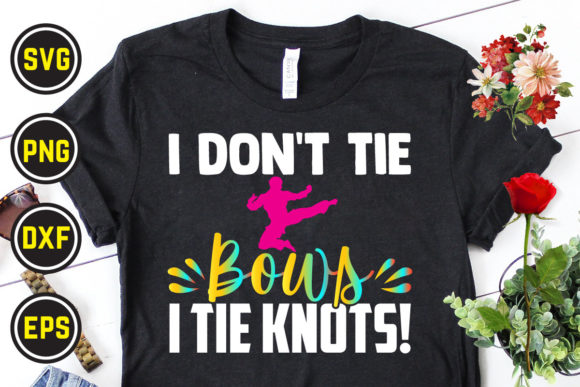
Karate SVG T-Shirt Design 14 offers a silhouette that moves. The figure is captured mid-stance, arms positioned with purpose, and the angular shapes immediately suggest power, discipline, and momentum. It’s not a cartoonish karate image; the mood feels closer to a modern athletic emblem. That’s important when you’re thinking about wearable embroidery — you want the finished product to look intentional, not like a last-minute iron-on.
The vector nature means every edge stays razor-sharp no matter how many times you resize it. High resolution at 300 DPI and the “easy to change color” capability are exactly what a maker needs when testing how this graphic will behave once it’s turned into real stitches. I spent a few minutes roughly tracing in my digitizing software, and the path anchors were clean and logical. For an embroidery designer, that’s a quiet gift: you spend less time fixing stray nodes and more time perfecting stitch mapping.
I can already see this on a heavyweight canvas tote — the kind your customer carries to and from the dojo with a white martial arts uniform neatly folded inside.
Scaling and Detail — A Balancing Act
One of the first things I consider when reviewing any design for embroidery projects is how it tolerates being shrunk. Karate SVG T-Shirt Design 14 has a well-proportioned layout, but when you reduce the width below about 3.5 inches, some of the finer details — especially the hands and the belt definition — start to feel risky in thread. That’s not a flaw; it’s reality. If you plan to stitch this as an embroidered patch or a left-chest logo on a polo, I’d digitize a test version first. You may need to subtly widen the fingers or merge a few internal lines so the satin stitch doesn’t collapse into a blob. For a tote bag design or a full-center sweatshirt placement at 5 inches or larger, you’ll keep every bit of that crisp martial arts attitude.
As a vector file, this design is also a strong candidate for an applique design approach if you want a dimensional fabric look. The shapes are bold enough to cut from twill or cotton with a clean satin border, and that expands the product possibilities to heavier items like denim jackets or gym bags.
Thread Colors and Contrast on Different Fabrics
I pulled the SVG into my layout software and toggled through a few color previews. On a dark heather grey sweatshirt, a metallic gold or bright white thread made the karate silhouette jump. On a soft pastel baby onesie, I got the best visual impact from navy, charcoal, or deep berry thread. That flexibility is a plus for personalized gift projects where the recipient’s favorite color might clash with a preset palette. Still, I always recommend you stitch out a sample on the actual fabric you’ll use. A design that looks brilliant on screen can lose its edge if the thread colors don’t contrast enough against a textured fabric texture like French terry or waffle weave.
Where This Design Shines in a Handmade Business
After staring at this graphic and mentally mapping it onto products, I think the sweet spots are clear and commercially smart:
- Custom apparel: This works well on t-shirts, zip-ups, and raglan sleeves, especially if you’re selling to martial arts studios or fitness boutiques. A small embroidered version on the sleeve cuff adds unexpected polish.
- Embroidered patches: With a merrowed edge and a light backing, this could be a hot item at tournaments or belt graduation ceremonies. Patches allow small shop product lines that are easy to ship and repeat.
- Tote bags and gym sacks: I’m already picturing my client’s dojo totes. The graphic feels strong on a natural canvas bag paired with a clean sans-serif name underneath. This is where handmade product perception truly raises the value — it stops looking like a craft and starts looking like professional merch.
- Aprons and kitchen towels: For the karate parent who cooks, this design on a linen apron becomes a heartfelt gift that never stays in the closet. As a holiday embroidery item, it’s easy to batch produce and still feel personal.
- Baby and youth items: On a cotton bib or a baby blanket corner, the design reads as “future black belt” without overwhelming delicate fabric. Just watch your stitch density and choose a soft cutaway stabilizer.
As an Etsy seller or a craft fair vendor, you can leverage this one design asset across multiple products, which streamlines inventory and makes your brand look cohesive. I’ve learned that buyers respond to familiar graphics presented in unexpected ways — and a karate patch on a pillow cover or a canvas gardening apron catches the eye.
The Practical Notes That Save You Time
Below are the studio practices I apply before any embroidery run — they’re doubly important when you’re starting from a digital embroidery file you digitized yourself from a vector like this:
- Always stitch a test on the exact fabric and stabilizer combo you’ll use in production. I learned this the hard way with a cute chef hat design that puckered on linen because my tear-away was too light.
- Review stitch density during digitizing. The karate silhouette has open spaces; fill those with a sensible fill stitch or a broad satin rather than dense blocks that make the fabric stiff.
- If you plan small versions for a cap brim or a baby beanie, simplify the design first. A running stitch outline can preserve the pose without the bulk.
- Check hoop size limitations. I’ve seen too many makers force a design into a 4×4 hoop only to clip gestures or cause registration nightmares.
- Test it in black and white on screen to see if the shapes still communicate clearly. This is my favorite trick for anticipating how something will read on a dark or textured background.
- Use a quality stabilizer for the fabric you choose. On a stretchy sweatshirt, I back it with a medium cutaway and float a light tear-away on top for extra support during the embroidery project.
A Real-World Studio Test Scenario
Let me walk you through what I actually plan to do for the dojo tote bags. I’m using the Karate SVG T-Shirt Design 14 as the main visual. I resized it to 5.2 inches wide in my vector program, recolored it to a soft royal blue (matching the dojo’s logo), then imported it into my digitizing software. I set the main body as a low-density fill stitch with an edge run underlay, and the defining lines as a 2mm satin stitch. The belt gets a slightly denser satin to pop just a bit. I’ll stitch out one sample on a scrap of the same 12-ounce canvas to see if any curves need tweaking. Once I’m satisfied, I’ll run six totes with a sew-out time that keeps the project profitable.
That’s the kind of practical commercial embroidery thinking that turns a $3 digital file into a finished product someone loves enough to purchase. I’m not just hoping it stitches well — I’m verifying it, because my reputation as a craft business owner depends on every bag leaving my studio clean and crisp.
Is It Right for Your Craft Business?
If you’re a maker who only works with pre-digitized machine embroidery design files in formats like PES or DST, this product will require an extra step. You’ll need to digitize or hire someone. That’s not a drawback if you already have the skills or the budget for a digitizer; in fact, it gives you complete control over the final stitch file. But if you’re looking for a stitch-ready embroidery file, note that Karate SVG T-Shirt Design 14 lives in the Print Templates and Graphics category — it’s a versatile starting point, not an end point.
For digital product sellers, this graphic works beautifully in printable mockup previews. You can show a customer exactly how their custom karate sweatshirt will look before a single stitch is made. That boosts buyer confidence and reduces returns.
One more thing: check the seller’s terms. The description says you can download the files immediately and use them, but I didn’t see a specific paragraph about commercial embroidery use on finished products. I always send a quick message to confirm that I can sell finished totes or patches using the design. Most creators are fine with small commercial use, but it’s a professional courtesy that can prevent headaches later.
Final Honest Thoughts
Karate SVG T-Shirt Design 14 gives makers a clean, dynamic graphic that translates well into embroidery when you approach it with a digitizer’s mindset. It won’t do the stitching for you, but it will provide a foundation that looks intentional, modern, and highly giftable. For a personalized gift, a small-batch boutique order, or a staple in your craft business lineup, it’s a strong asset. Just treat it like any sensible designer would: test, adjust, and respect the medium. When I finish those dojo totes next week, I already know the karate parents will line up to buy them — and that’s exactly the feeling a good embroidery design should create.